
Healths: Your Life, Your Terms.
Introduction
Ever feel like your health is dictating your life, rather than the other way around? Like you’re constantly chasing the next fad diet, the newest fitness trend, or battling a to-do list of health appointments that never seems to shrink? You’re not alone. We live in a world obsessed with well-being, yet often, it feels like well-being is something imposed upon us, not something we actively create.
But what if we flipped the script? What if, instead of letting health dictate our lives, we took control and shaped our health on our own terms? That’s the core idea behind “Healths: Your Life, Your Terms.” It’s about empowering you to define what health means for you, and then providing you with the tools and knowledge to make that vision a reality.
So, how do we break free from the cycle of restrictive diets, unattainable fitness goals, and overwhelming health advice? Let’s dive in.
The Pressure Cooker: Short-Term and Long-Term Impacts
The relentless pursuit of an “ideal” image, driven by societal pressures and media portrayals, often pushes us into unhealthy behaviors with both immediate and lasting consequences.
Short-Term Impacts:
- Stress and Anxiety: Constantly striving for perfection can lead to chronic stress and anxiety, affecting sleep, mood, and overall mental well-being.
- Unrealistic Expectations: Setting unrealistic health goals can lead to disappointment, demotivation, and even feelings of failure.
- Nutritional Deficiencies: Crash diets and restrictive eating plans can deprive your body of essential nutrients, causing fatigue, weakened immunity, and hormonal imbalances.
Long-Term Impacts:
- Chronic Diseases: Poor lifestyle choices accumulate over time, significantly increasing the risk of chronic conditions such as heart disease, type 2 diabetes, and certain cancers.
- Mental Health Issues: Prolonged stress, anxiety, and poor self-esteem can contribute to the development of depression, eating disorders, and other mental health challenges.
- Decreased Quality of Life: Chronic health problems can limit your ability to enjoy life, participate in activities you love, and maintain fulfilling relationships.
Reclaiming Your Health: Practical Solutions
Taking control of your health involves a personalized approach that considers your unique circumstances, preferences, and goals. Here are several strategies to get you started:
- Define Your “Why”: What does health truly mean to you? Is it about having the energy to play with your kids, feeling confident in your skin, or preventing chronic disease? When you have a clear understanding of your motivations, it becomes easier to make choices that align with your values.
- Example: Instead of aiming to “lose weight,” your goal might be “to improve my endurance so I can hike with my friends on weekends.”
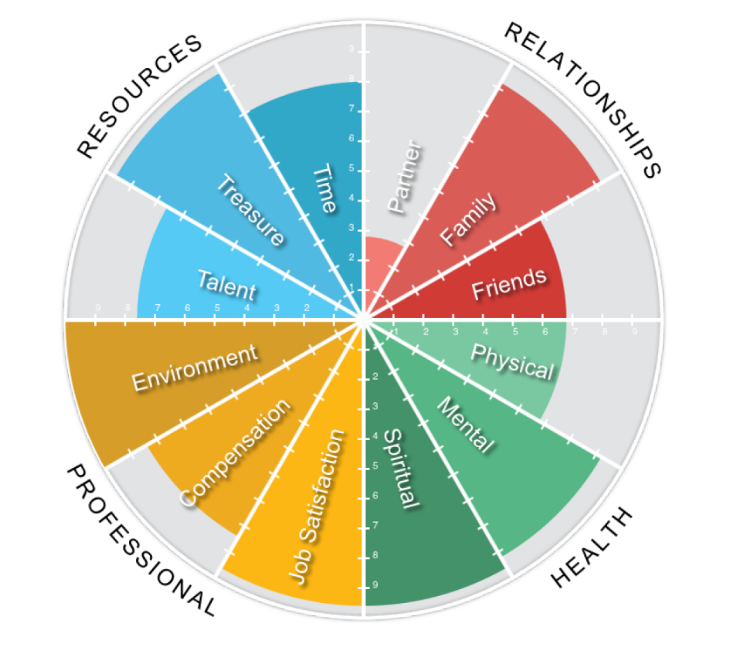
- Embrace a Holistic Approach: Recognize that health is not just about physical fitness or diet. It encompasses mental, emotional, and social well-being. Prioritize activities that nourish all aspects of your life.
- Example: Dedicate time to mindfulness practices, cultivate meaningful relationships, and pursue hobbies that bring you joy.
- Focus on Small, Sustainable Changes: Avoid drastic overhauls that are difficult to maintain. Instead, implement small, manageable changes that you can gradually integrate into your daily routine.
- Example: Instead of eliminating all processed foods, start by replacing sugary drinks with water or herbal tea.
- Listen to Your Body: Pay attention to your body’s cues and adjust your habits accordingly. Learn to differentiate between genuine hunger and emotional eating.
- Example: Keep a food journal to track your meals, mood, and energy levels. This can help you identify patterns and make informed choices.
- Seek Support and Accountability: Surround yourself with a supportive network of friends, family, or professionals who can encourage you on your journey.
- Example: Join a walking group, work with a registered dietitian, or confide in a trusted friend about your health goals.
Alternative Approaches: Finding What Works for You
Not every solution works for everyone. Here are some alternative approaches to consider:
- Mindful Eating: This practice involves paying attention to your food, savoring each bite, and recognizing when you’re truly satisfied. It can help you break free from mindless eating habits and develop a healthier relationship with food.
- Movement as Medicine: Instead of forcing yourself to do exercises you dislike, find activities that you genuinely enjoy. This could be anything from dancing to gardening to playing a sport.
- Stress Management Techniques: Explore different stress-reduction techniques such as yoga, meditation, deep breathing exercises, or spending time in nature.
- Personalized Nutrition: Work with a registered dietitian or nutritionist to develop a customized eating plan that meets your specific needs and preferences.
Case Study
Meet Sarah, a 35-year-old working mother who felt overwhelmed by the pressure to “have it all.” She tried numerous diets and fitness programs, but nothing seemed to stick. After feeling burnt out, Sarah decided to shift her focus.
She started by defining her “why”: She wanted to have the energy to keep up with her kids and feel confident in her skin. Sarah began incorporating mindful eating practices, taking short walks during her lunch breaks, and prioritizing sleep.
Over time, Sarah noticed a significant improvement in her energy levels, mood, and overall well-being. She realized that health wasn’t about achieving an ideal body shape, but about nurturing her mind, body, and spirit.
Your Journey, Your Terms
Taking control of your health is a journey, not a destination. There will be ups and downs, setbacks and triumphs. The key is to be patient with yourself, celebrate your progress, and learn from your mistakes.
Remember, your health is not something to be imposed upon you, but something you actively create. Embrace the power to define what health means for you, and then take the steps necessary to make that vision a reality. Your life, your terms. Start today, make one small change, and watch how it transforms your life. You’ve got this!