
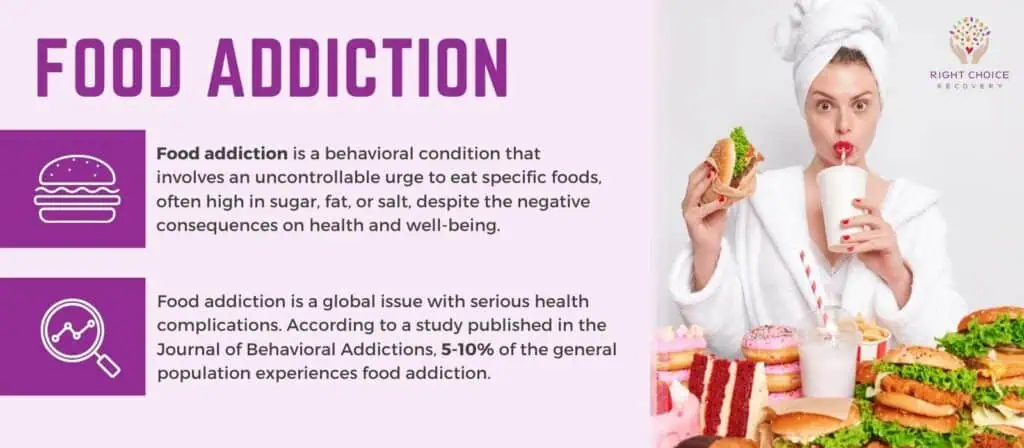
Food: Your Next Addiction?
Introduction
We all love food, right? It’s fuel, it’s pleasure, it’s tradition, it’s comfort. But what happens when our relationship with food crosses the line? What happens when that comforting bowl of ice cream turns into an obsessive craving, a daily ritual you can’t break? What if food, without you even realizing it, has become your next addiction?
Before you dismiss the idea, consider this: addiction isn’t just about drugs or alcohol. It’s about any behaviour that provides temporary relief or pleasure but ultimately leads to negative consequences and a loss of control. And for millions, that behaviour revolves around food.
This isn’t about judging your dietary choices. It’s about understanding the potential pitfalls of our increasingly food-centric world and learning to navigate them consciously. So, grab a (healthy) snack and let’s dive in.
The Short-Term Sweetness, The Long-Term Sting
The allure of addictive eating is undeniable. That rush of dopamine as sugar hits your tongue, the comforting lull after a large meal, the emotional buffer provided by a pint of Ben & Jerry’s after a stressful day. These are all incredibly powerful short-term rewards.
But what about the long game? Constantly seeking that short-term pleasure can lead down a path of health problems. Think about it: weight gain, increased risk of type 2 diabetes, heart disease, high blood pressure. The physical toll is significant.
Beyond the physical, there’s also the mental and emotional cost. Food addiction can lead to feelings of guilt, shame, and low self-esteem. It can disrupt social relationships, making you avoid situations where food is involved or feel anxious about your eating habits. You might find yourself spending an increasing amount of time thinking about food, planning your next meal, or feeling preoccupied with your weight.
Think of Sarah, a 35-year-old marketing executive. Initially, she used fast food as a quick and convenient lunch option during her busy workdays. Gradually, those lunches turned into daily indulgences, a way to cope with the stress and pressure of her job. Soon, she was craving the salty, sugary flavors even on weekends. Over time, her weight crept up, her energy levels plummeted, and she started feeling increasingly anxious and depressed. Sarah’s story, unfortunately, isn’t unique.
Unpacking the Triggers: Why Food Becomes the Crutch
Before we jump into solutions, it’s crucial to understand the underlying reasons why some of us develop unhealthy relationships with food. There’s no one-size-fits-all answer, but here are some common triggers:
- Emotional Eating: Using food to cope with stress, sadness, boredom, or loneliness.
- Environmental Cues: Constant exposure to tempting food advertisements, readily available processed foods, and societal pressure to conform to certain body types.
- Biological Factors: Genetic predispositions, hormonal imbalances, and gut microbiome imbalances can all play a role in cravings and appetite regulation.
- Restrictive Dieting: Ironically, extreme dieting can backfire, leading to intense cravings and binge eating episodes. The body craves what it’s being denied.
Understanding your specific triggers is the first step towards breaking free from the cycle of addictive eating.
Breaking the Chains: Practical Solutions for a Healthier Relationship with Food
Okay, so you suspect you might have a problem. What now? Don’t panic! Here are several practical strategies you can use to regain control and build a healthier relationship with food.
- Mindful Eating: Savor the Moment, Not Just the Calories:
This isn’t just a trendy buzzword; it’s a powerful tool. Mindful eating is about paying attention to your food, your body, and your hunger cues.
- Slow Down: Chew your food thoroughly, put down your fork between bites, and savor the flavors.
- Listen to Your Body: Eat when you’re truly hungry, not just bored or stressed. Stop when you’re satisfied, not stuffed.
- Eliminate Distractions: Turn off the TV, put away your phone, and focus solely on your meal.
Imagine a scenario: instead of mindlessly scarfing down a bag of chips while watching TV, you consciously choose a handful, savor each chip, and truly enjoy the salty crunch. You might find that you’re satisfied with far less than you initially thought.
- The Power of Planning and Preparation:
One of the biggest challenges to healthy eating is convenience. It’s far easier to grab a processed snack than to prepare a healthy meal. That’s where planning and preparation come in.
- Meal Prep Sundays: Dedicate a few hours each week to prepping healthy meals and snacks for the week ahead.
- Grocery List Power: Create a grocery list and stick to it. Avoid impulse purchases of processed foods.
- Healthy Snack Stash: Keep healthy snacks readily available, such as fruits, vegetables, nuts, and yogurt.
- Addressing the Emotional Void:
If you’re an emotional eater, it’s crucial to address the underlying emotions that are driving your food cravings.
- Identify Your Triggers: Keep a food diary to track when, what, and why you’re eating. This can help you identify patterns and triggers.
- Find Healthy Coping Mechanisms: Exercise, meditation, yoga, spending time in nature, or talking to a friend or therapist can all be effective ways to manage stress and emotions.
- Seek Professional Help: If you’re struggling to manage your emotions on your own, consider seeking the help of a therapist or counselor.
- Gradual Changes, Sustainable Habits:
Don’t try to overhaul your entire diet overnight. That’s a recipe for failure. Instead, focus on making gradual, sustainable changes that you can maintain over the long term.
- Start Small: Replace one unhealthy snack with a healthy one. Add one serving of vegetables to each meal.
- Focus on Progress, Not Perfection: Don’t beat yourself up if you slip up. Just get back on track with your next meal.
- Celebrate Your Successes: Acknowledge and celebrate your progress, no matter how small.
- Seeking Support: You’re Not Alone
Breaking free from any addiction is rarely a solo journey. Seeking support from friends, family, or a support group can make a world of difference.
- Talk to a Trusted Friend or Family Member: Share your struggles and ask for their support.
- Join a Support Group: Overeaters Anonymous is a popular support group for individuals struggling with food addiction.
- Consult a Registered Dietitian or Nutritionist: A registered dietitian can help you develop a personalized eating plan that meets your individual needs.
Finding Your Path to Freedom
There’s no single, perfect solution. What works for one person might not work for another. The key is to experiment with different strategies and find what resonates with you. Maybe it’s mindful eating, maybe it’s therapy, maybe it’s a combination of everything.
The journey to a healthier relationship with food is a process, not a destination. There will be ups and downs, setbacks and triumphs. Be patient with yourself, be kind to yourself, and remember that every small step you take is a step in the right direction.
Taking Action: Your First Step Towards a Brighter Future
So, where do you go from here? Start with one small, actionable step. Perhaps it’s scheduling a mindful eating session for your next meal, creating a grocery list for the week, or reaching out to a friend for support.
You have the power to reclaim your relationship with food, to break free from the cycle of addiction, and to build a healthier, happier future. It won’t be easy, but it will be worth it. You’ve got this!