
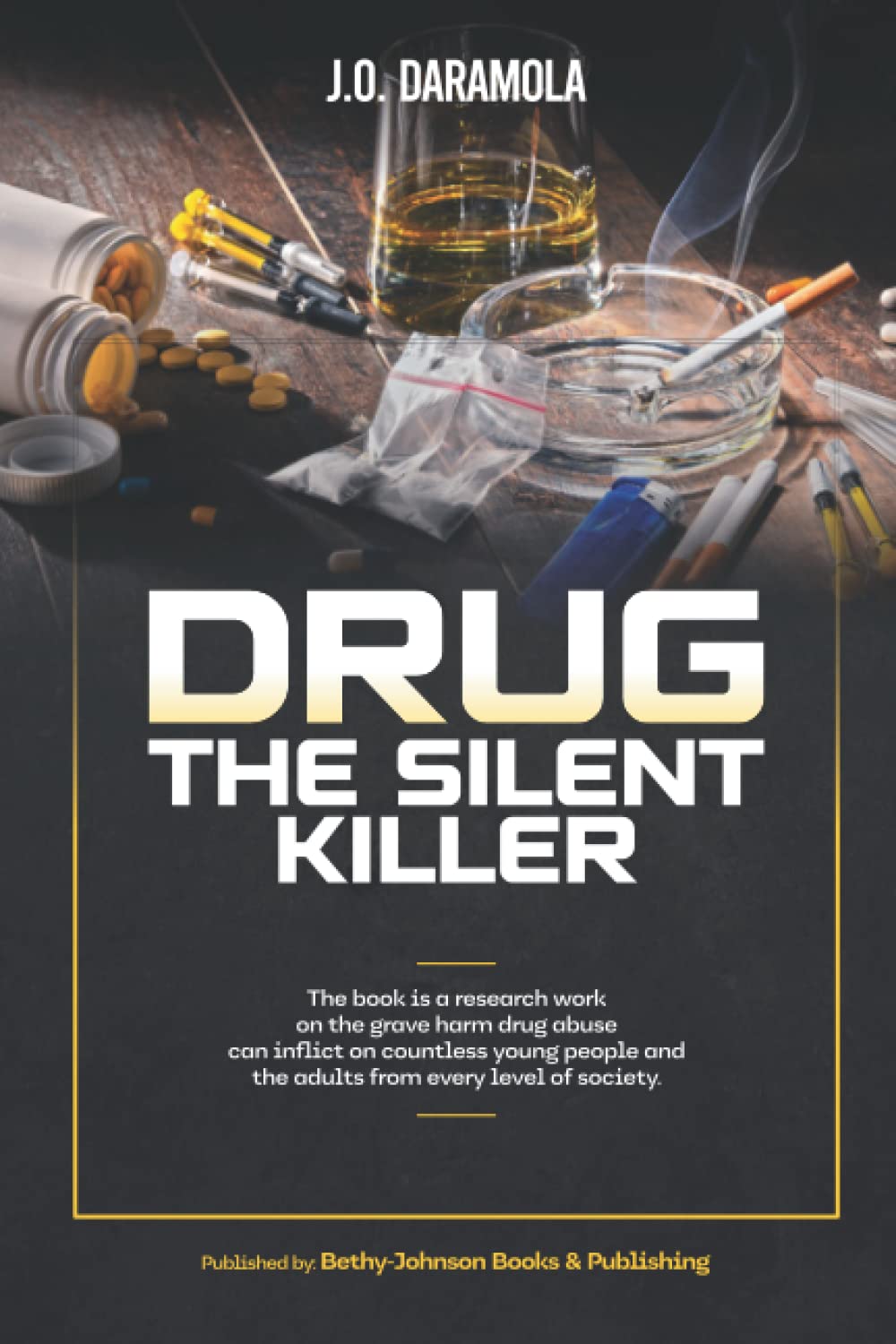
Drugs: The Silent Thief of Souls
Introduction
Ever feel like something’s lurking beneath the surface, stealing away the joy, the potential, the very essence of who you are? Sometimes, that “something” has a name, a chemical formula, and a devastating ability to quietly dismantle lives: drugs. We’re not just talking about headline-grabbing overdoses, though those are tragic. We’re talking about the insidious erosion of self, the slow dimming of the light within, that happens bit by bit, choice by choice.
Think of it like this: life is a masterpiece you’re constantly creating. Drugs are like a sneaky vandal, chipping away at the vibrant colors, blurring the sharp lines, and eventually, obscuring the original vision altogether. Sounds dramatic? Maybe. But it’s a drama that plays out daily, in homes, workplaces, and communities everywhere.
Explanation of the Problem: The Quick Fix, The Long Fall: Short-Term Allure, Long-Term Devastation
The appeal of drugs is often rooted in the promise of escape. Stressed? Anxious? Bored? There’s a drug that whispers promises of relief, a temporary vacation from the harsh realities of life. In the short term, these substances might seem like a solution. They can offer a fleeting sense of euphoria, numb emotional pain, or provide a boost of energy.
Imagine Sarah, a bright and ambitious college student struggling with exam stress. She tries stimulants to cram for an upcoming test, experiencing a surge of focus and energy. Suddenly, all-nighters become manageable, and she feels in control. This seemingly harmless decision offers an immediate reward: a good grade, a feeling of accomplishment.
But here’s the catch: these short-term “benefits” are almost always illusions. The relief is temporary, the escape is fleeting, and the price tag is far higher than most people realize.
Over time, the repeated use of drugs triggers a cascade of negative consequences. The body adapts, requiring higher doses to achieve the same effect (tolerance). Dependence develops, where the body physically craves the substance. Withdrawal symptoms, from nausea and anxiety to seizures and hallucinations, become a terrifying reality.
Remember Sarah? Initially, the stimulants helped her study. But soon, she needed them just to function normally, to get out of bed in the morning. Her grades began to slip as her focus shifted from academics to obtaining the drugs. Her relationships suffered as she became increasingly secretive and irritable. The vibrant, ambitious student was slowly fading away, replaced by someone unrecognizable, trapped in a cycle of dependency.
Beyond the Individual: The Rippling Impact
The devastation doesn’t stop with the individual. The ripples spread outwards, affecting families, relationships, and communities. Partners experience the heartbreak of watching a loved one self-destruct. Children suffer from neglect and instability. Businesses lose productivity and face increased risks of accidents. The financial burden on society, from healthcare costs to law enforcement expenses, is staggering.
Consider the story of a family shattered by addiction. A loving father, driven by financial pressures and the allure of quick money, becomes involved in drug trafficking. His once-close relationship with his children deteriorates as he becomes consumed by his illegal activities. His wife struggles to hold the family together, facing financial hardship and emotional turmoil. The children grow up in an environment of fear and uncertainty, their future prospects dimmed by the shadow of addiction.
Solutions: Breaking the Chains: Pathways to Recovery and Hope
The good news is that recovery is possible. The journey may be challenging, but with the right support and resources, individuals can break free from the grip of addiction and reclaim their lives.
Here are several practical approaches to consider:
- Professional Help: This is often the most crucial step. Therapists, counselors, and addiction specialists can provide individualized treatment plans tailored to specific needs. Cognitive Behavioral Therapy (CBT) can help identify and change negative thought patterns and behaviors associated with drug use. Support groups like Narcotics Anonymous (NA) offer a safe and supportive environment to share experiences and connect with others in recovery.
- Medication-Assisted Treatment (MAT): For certain types of addiction, such as opioid addiction, MAT can be incredibly effective. Medications like methadone and buprenorphine can help reduce cravings and withdrawal symptoms, making it easier for individuals to focus on therapy and other aspects of recovery.
- Lifestyle Changes: A healthy lifestyle can play a significant role in recovery. Regular exercise, a balanced diet, and sufficient sleep can help improve mood, reduce stress, and boost overall well-being. Finding healthy coping mechanisms for stress, such as meditation, yoga, or spending time in nature, can also help prevent relapse.
- Building a Strong Support System: Isolation is a breeding ground for addiction. Connecting with supportive friends, family members, or mentors can provide a sense of belonging and accountability. Surrounding yourself with positive influences can help reinforce your commitment to recovery.
- Relapse Prevention Strategies: Relapse is a common part of the recovery process. It’s essential to develop strategies to prevent relapse, such as identifying triggers, avoiding high-risk situations, and having a plan in place for when cravings arise.
Case Study: The Phoenix Program
The “Phoenix Program” (a fictitious name for privacy), a community-based initiative, offers a holistic approach to addiction recovery. It combines individual therapy, group counseling, job training, and housing assistance. Participants learn valuable skills, build self-esteem, and develop a strong support network. The program has seen remarkable success, with a significant percentage of graduates maintaining long-term sobriety and becoming productive members of society.
Choosing the Right Path:
There’s no one-size-fits-all solution to addiction. The key is to find the approach that resonates with you and fits your individual needs. Some individuals may benefit from intensive inpatient treatment, while others may thrive in an outpatient setting. Some may find solace in support groups, while others may prefer individual therapy. Experiment, explore different options, and don’t be afraid to seek help until you find what works best for you.
Conclusion: A Future Reclaimed
Drugs may be a silent thief, but they don’t have to be the ultimate victor. Recovery is possible, and a brighter future awaits. It requires courage, commitment, and a willingness to seek help, but the rewards are immeasurable. Imagine a life free from the shackles of addiction, a life filled with purpose, joy, and genuine connection. That future is within reach.
Take the first step today. Reach out to a friend, a family member, a therapist, or a support group. Remember, you are not alone, and there is hope. You have the power to reclaim your soul and rewrite your story. Start writing the next chapter, one filled with strength, resilience, and the unwavering pursuit of a better tomorrow. The silent thief may have stolen a part of you, but it can’t steal your future. That future is yours to create.