
“`html
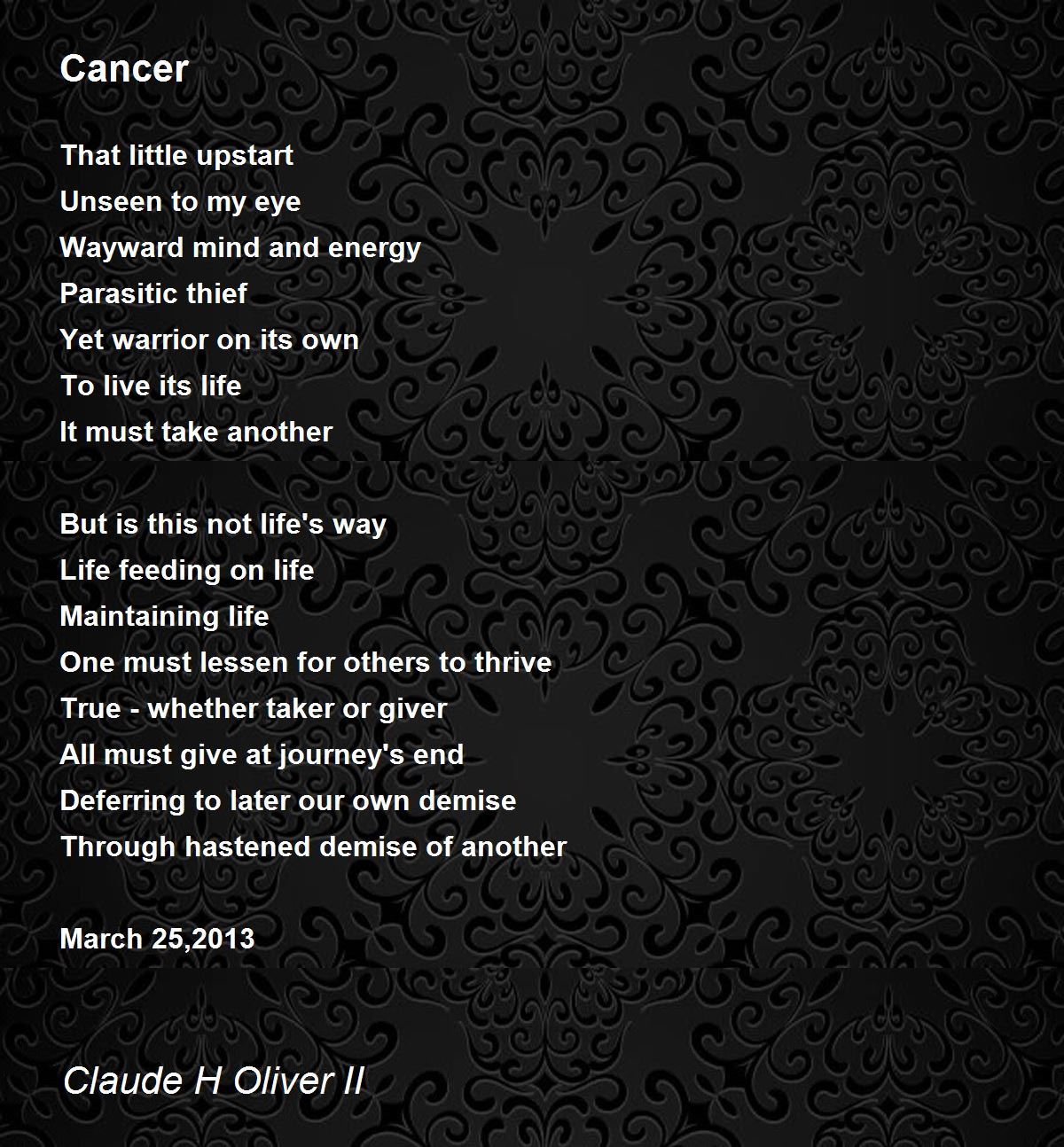
Cancer: The Unseen Thief
Introduction
Imagine your life as a meticulously crafted masterpiece, a vibrant tapestry woven with dreams, aspirations, and the loving threads of relationships. Now picture a silent, unseen thief creeping in, subtly snipping away at those threads, slowly dimming the vibrancy of your masterpiece. That, in essence, is cancer. It’s a pervasive reality that touches almost every life, directly or indirectly, leaving behind a trail of disruption, fear, and often, heartbreak. But before we succumb to despair, let’s understand this “thief” better, and explore ways to fight back and reclaim our masterpiece.
Explanation of the Problem
Cancer isn’t a single disease, but rather a collection of over 100 different diseases, all characterized by the uncontrolled growth and spread of abnormal cells. What makes it particularly insidious is its often asymptomatic early stages. Like a phantom menace, it can lurk undetected for years, slowly chipping away at healthy tissue and organs. By the time symptoms manifest, the battle can be significantly harder.
The Short-Term Toll: Disruption and Uncertainty
The immediate impact of a cancer diagnosis is like a tidal wave. Suddenly, life as you knew it is irrevocably changed. Imagine receiving that phone call, the doctor’s somber voice confirming your worst fears. The initial shock gives way to a whirlwind of emotions – fear, anger, confusion, and an overwhelming sense of uncertainty.
This uncertainty permeates every aspect of life. Daily routines are disrupted by doctor’s appointments, scans, and treatment schedules. Work life often grinds to a halt, leading to financial strain. Social connections can suffer as fatigue and emotional distress make it difficult to maintain relationships.
The treatments themselves, while life-saving, often come with debilitating side effects. Chemotherapy, radiation, and surgery can lead to nausea, hair loss, pain, and a host of other challenges, further impacting quality of life. The emotional toll on patients and their families is immense, with anxiety, depression, and feelings of isolation being common.
The Long-Term Shadow: Lasting Impacts and Ongoing Challenges
The thief’s handiwork doesn’t necessarily end with the completion of treatment. Even after achieving remission, the long-term shadow of cancer can linger, leaving behind scars – both physical and emotional.
Many survivors experience late effects of treatment, such as heart problems, nerve damage, and secondary cancers. The fear of recurrence is a constant companion, casting a shadow over celebrations and milestones.
Beyond the physical, the psychological impact can be profound. Survivors often grapple with post-traumatic stress, anxiety, and depression. They may struggle to readjust to “normal” life, facing challenges in returning to work, rebuilding relationships, and regaining a sense of normalcy.
The impact extends beyond the individual. Families also bear a heavy burden, providing care, offering emotional support, and navigating the complexities of the healthcare system. Children of cancer patients often experience emotional distress and academic difficulties. The loss of a loved one to cancer leaves a permanent void, leaving behind grief, sorrow, and a lifetime of memories tinged with sadness.
Solutions
While cancer can feel overwhelming, it’s crucial to remember that you are not powerless. There are tangible steps you can take to mitigate its impact and reclaim control.
1. Prevention is Power: Making Informed Choices
The most effective weapon against the unseen thief is prevention. This involves making informed lifestyle choices that reduce your risk.
- Embrace a Healthy Lifestyle: A balanced diet rich in fruits, vegetables, and whole grains, coupled with regular physical activity, is a cornerstone of cancer prevention. Limit processed foods, red meat, and sugary drinks.
- Say No to Tobacco: Smoking is the leading cause of lung cancer and is linked to many other cancers. Quitting smoking is one of the best things you can do for your health.
- Protect Yourself from the Sun: Excessive sun exposure increases the risk of skin cancer. Use sunscreen, wear protective clothing, and seek shade during peak hours.
- Get Vaccinated: Vaccines can protect against certain cancer-causing viruses, such as HPV and hepatitis B.
- Regular Screenings: Early detection is crucial. Follow recommended screening guidelines for breast, cervical, colon, and prostate cancer.
Example: Consider the case of colon cancer. Regular colonoscopies, starting at age 45, can detect polyps (abnormal growths) before they become cancerous. Removing these polyps can significantly reduce the risk of developing colon cancer.
2. Early Detection: Be Your Own Advocate
Knowing your body and paying attention to any unusual changes is crucial. Don’t dismiss seemingly minor symptoms. If you notice anything concerning, consult your doctor promptly.
- Know Your Family History: A family history of cancer can increase your risk. Share this information with your doctor, who can recommend appropriate screening and preventative measures.
- Be Aware of Warning Signs: Common warning signs of cancer include unexplained weight loss, fatigue, persistent cough, changes in bowel habits, and unusual bleeding.
- Trust Your Gut: If you feel that something is not right, don’t hesitate to seek a second opinion.
3. Navigating Treatment: Knowledge is Strength
If you are diagnosed with cancer, arm yourself with knowledge. Understand your diagnosis, treatment options, and potential side effects.
- Ask Questions: Don’t be afraid to ask your doctor questions about your diagnosis, treatment plan, and prognosis.
- Seek Support: Lean on your support network of family, friends, and support groups. Sharing your experiences with others who understand can be incredibly helpful.
- Explore Integrative Therapies: Many patients find relief from side effects through complementary therapies such as acupuncture, massage, and yoga. Discuss these options with your doctor to ensure they are safe and appropriate for you.
4. Long-Term Care: Reclaiming Your Life After Cancer
Recovery from cancer is a marathon, not a sprint. Focus on rebuilding your physical and emotional well-being.
- Rehabilitation: Physical therapy, occupational therapy, and speech therapy can help you regain strength, mobility, and function.
- Mental Health Support: Don’t hesitate to seek professional help if you are struggling with anxiety, depression, or post-traumatic stress.
- Healthy Lifestyle: Continue to prioritize a healthy lifestyle, including a balanced diet, regular exercise, and adequate sleep.
- Find Your Purpose: Engage in activities that bring you joy and meaning. Whether it’s volunteering, pursuing a hobby, or spending time with loved ones, finding your purpose can help you reclaim your life after cancer.
Alternative Approaches: Tailoring Solutions to Your Needs
There isn’t a one-size-fits-all solution. The best approach depends on your individual circumstances, preferences, and beliefs.
- Holistic Approach: This approach focuses on treating the whole person – mind, body, and spirit – rather than just the disease. It may involve lifestyle changes, dietary modifications, stress management techniques, and complementary therapies.
- Integrative Oncology: This approach combines conventional cancer treatments with complementary therapies, such as acupuncture, massage, and nutritional support. It aims to improve quality of life and reduce side effects.
- Clinical Trials: Participating in a clinical trial can provide access to cutting-edge treatments and contribute to advancements in cancer research.
Conclusion
Cancer, the unseen thief, may attempt to steal our dreams and diminish our vibrancy, but it doesn’t have to succeed. By embracing prevention, prioritizing early detection, and navigating treatment with knowledge and support, we can reclaim our lives and rewrite our stories. While the journey may be challenging, it’s a journey worth fighting. The power to take control, to make informed choices, and to support one another lies within each of us. Let us unite in the fight against this silent thief, creating a future where cancer is no longer a death sentence, but a challenge that we can overcome, together. Let’s not just survive; let’s thrive. Let’s reclaim our masterpiece, thread by precious thread, making it even stronger and more vibrant than before.
“`