
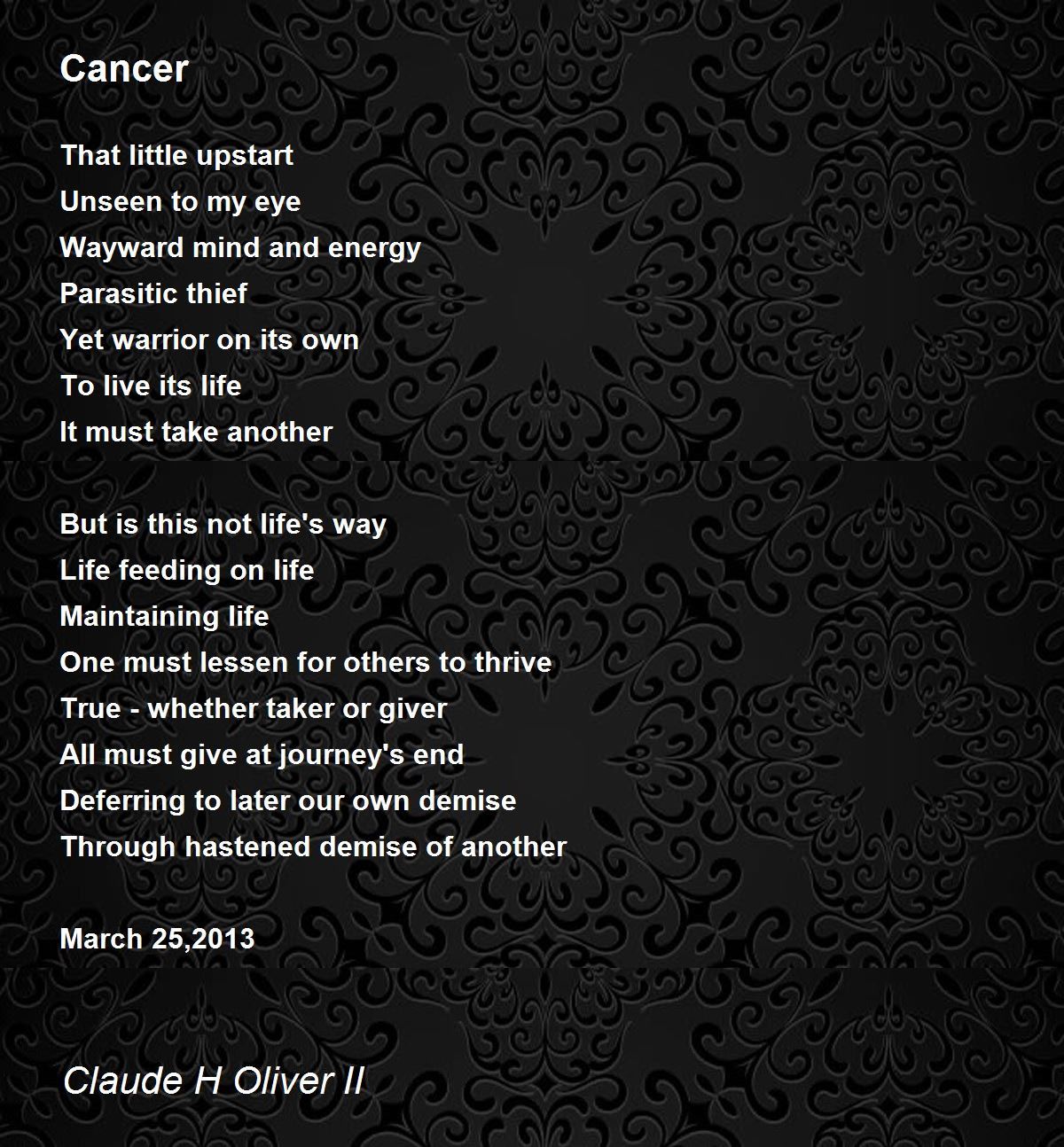
Cancer: The Unseen Thief
Introduction
Ever feel like something is quietly being taken away from you, piece by piece? Maybe it’s time, or energy, or just the simple joy of a carefree day. That feeling, that nagging sense of loss, is something many can relate to. But imagine if that “something” was your health, your future, even your very life, stolen by an unseen, insidious thief. That thief is cancer.
We all know about cancer, right? It’s that scary word we whisper, the one that makes our hearts sink and our minds conjure up images of struggle and suffering. But beyond the headlines and the somber statistics, lies a complex reality, a reality that affects us all, directly or indirectly. This isn’t just about medical jargon; it’s about the real-life implications, the stolen moments, and the ripple effect cancer has on individuals, families, and communities.
Let’s peel back the layers and explore this unseen thief, understand its tactics, and, most importantly, discover how we can fight back.
The Short-Term Sting: More Than Just Physical Symptoms
Cancer isn’t just a physical battle; it’s an emotional and mental one too. In the short-term, the immediate impacts can be overwhelming.
- The Body’s Betrayal: Of course, there are the physical symptoms: fatigue that clings like a shadow, nausea that steals your appetite, and pain that can range from a dull ache to an unbearable roar. These symptoms alone disrupt daily life, making simple tasks feel like monumental challenges.
- The Emotional Rollercoaster: But then there’s the emotional toll. A cancer diagnosis throws you onto a rollercoaster of emotions – fear, anger, sadness, confusion, and even denial. It’s a normal response to a life-altering event, but it can be exhausting to navigate. Imagine receiving a diagnosis and trying to act normal around friends and family, while your mind is racing with worry and uncertainty.
- The Financial Strain: The cost of treatment can be astronomical. Even with insurance, copays, deductibles, and other expenses can quickly drain savings and create financial stress, adding another layer of anxiety to an already difficult situation. Think of a family having to choose between putting food on the table and paying for life-saving treatment.
- Disrupted Lives: The impact spreads to loved ones. Spouses, children, and parents often become caregivers, sacrificing their own time, energy, and careers to support the patient. Relationships can be strained, and everyone involved feels the weight of the diagnosis.
The Long Game: A Future Redefined
Cancer’s long-term impacts can reshape the landscape of a person’s life, even after treatment ends.
- The Shadow of Recurrence: The fear of recurrence never truly disappears. It can linger in the background, influencing decisions and casting a shadow over celebrations. Every ache, every pain, becomes a potential trigger for anxiety.
- Long-Term Side Effects: Many cancer treatments have lasting side effects. These can range from chronic fatigue and neuropathy to cognitive impairment and hormonal imbalances. These side effects can affect a person’s ability to work, maintain relationships, and enjoy life to the fullest. Consider a cancer survivor who is unable to return to their physically demanding job due to lingering fatigue and pain.
- The Identity Shift: Cancer can change how you see yourself. You may feel like a different person after treatment, struggling to reconcile your pre-cancer self with your post-cancer reality. This can lead to feelings of isolation and disconnect.
- The Family Legacy: The impact extends across generations. Children of cancer survivors may have an increased risk of certain cancers, and families may grapple with a heightened awareness of their genetic predispositions.
Fighting Back: Practical Solutions and Actionable Steps
Now for the good news: we’re not powerless against this unseen thief. While there’s no magic bullet, there are practical steps we can take to reduce our risk, detect cancer early, and improve outcomes.
- Prevention is Power: This is where we can be most proactive.
- Healthy Lifestyle: This isn’t groundbreaking advice, but it’s fundamental. A balanced diet rich in fruits, vegetables, and whole grains, regular exercise, maintaining a healthy weight, and avoiding tobacco and excessive alcohol consumption can significantly lower your risk.
- Sun Safety: Protect your skin from the sun’s harmful rays by wearing sunscreen, seeking shade, and avoiding tanning beds.
- Vaccinations: Certain vaccines, such as the HPV vaccine, can protect against cancers caused by viral infections.
- Regular Check-ups: Don’t skip your annual physicals and recommended screenings. These are opportunities for your doctor to detect potential problems early, when they are most treatable.
Example: A study showed that individuals who followed a Mediterranean diet (rich in olive oil, fruits, vegetables, and fish) had a lower risk of developing certain types of cancer compared to those who followed a Western diet (high in processed foods, red meat, and sugary drinks).
- Early Detection Saves Lives:
- Screening: Follow recommended screening guidelines for breast, cervical, colorectal, and lung cancer. Talk to your doctor about your individual risk factors and which screenings are right for you.
- Self-Exams: Regularly perform self-exams for breast and testicular cancer. Familiarize yourself with your body so you can recognize any changes.
- Know Your Family History: Understanding your family’s cancer history can help you assess your own risk and make informed decisions about screening and prevention.
Example: Mammograms have been shown to significantly reduce the risk of dying from breast cancer by detecting tumors early, when they are more treatable.
- Support and Resources:
- Support Groups: Connecting with others who have been through similar experiences can provide emotional support, practical advice, and a sense of community. Look for support groups online or in your local area.
- Therapy: A therapist can help you cope with the emotional challenges of a cancer diagnosis, treatment, and recovery.
- Financial Assistance: Many organizations offer financial assistance to cancer patients to help cover the costs of treatment, transportation, and other expenses.
- Reliable Information: Arm yourself with accurate information from reputable sources like the American Cancer Society and the National Cancer Institute.
Example: The Leukemia & Lymphoma Society provides a wealth of resources for patients with blood cancers, including financial assistance, support groups, and educational materials.
- Alternative Approaches:
- Integrative Medicine: This approach combines conventional cancer treatments with complementary therapies like acupuncture, massage, and yoga. These therapies can help manage side effects, improve quality of life, and boost the immune system. Important Note: Integrative medicine should always be used in conjunction with, not as a replacement for, conventional cancer treatments. Always consult with your doctor before trying any new therapies.
- Clinical Trials: Participating in a clinical trial can give you access to cutting-edge treatments and contribute to the development of new therapies. Talk to your doctor about whether a clinical trial is right for you.
- Nutrition and Supplements: While not a cure, a healthy diet and certain supplements may help support your immune system and reduce the risk of recurrence. Consult with a registered dietitian or nutritionist for personalized recommendations.
A Future of Hope
Cancer is a formidable foe, but it’s not invincible. By understanding the impact of this unseen thief, taking proactive steps to reduce our risk, and supporting those affected by cancer, we can fight back.
This isn’t about fear; it’s about empowerment. It’s about taking control of your health, supporting your loved ones, and contributing to a future where cancer is less of a threat. Every healthy choice you make, every screening you attend, every act of support you offer is a victory against this unseen thief.
Let’s not allow cancer to steal our joy, our health, or our future. Let’s choose action, choose hope, and choose to fight back, together. The future is not predetermined; it’s a story we write, day by day. Let’s make it a story of resilience, survival, and ultimately, triumph over cancer.