
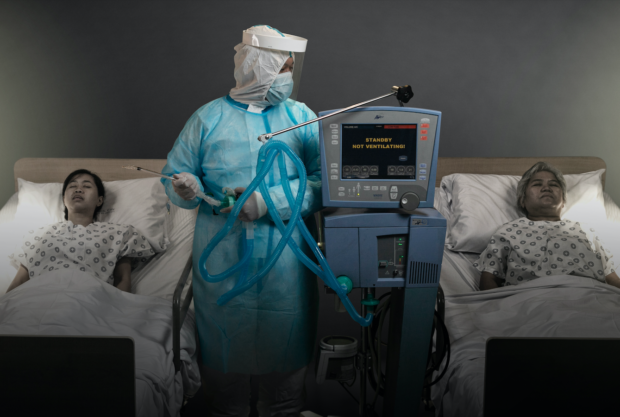
Hospital: The Last Line
Introduction
We’ve all seen it in movies, the dramatic entrance – sirens wailing, lights flashing, the gurney wheeled in at breakneck speed. The hospital, the ultimate safety net, the last line of defense against whatever life throws our way. But what happens when that last line starts to fray? What happens when the very system designed to save us is stretched thin, struggling to cope with the ever-increasing demands placed upon it?
The truth is, the reality behind those dramatic hospital entrances is often a lot more complex, and increasingly more strained, than what Hollywood portrays. Our hospitals, the cornerstones of our healthcare system, are facing a confluence of challenges that are impacting both the immediate care patients receive and the long-term health of our communities. We’re not just talking about overcrowded emergency rooms or long wait times; we’re talking about a system under pressure, a system that needs our attention before the safety net completely unravels.
The Short-Term Pain: A System Under Siege
In the immediate aftermath of an emergency, or when a chronic condition flares up, the impact of a struggling hospital system is acutely felt. Imagine arriving at the ER with severe chest pain, only to find yourself waiting for hours, anxious and in pain, because the medical staff are overwhelmed. This isn’t a hypothetical scenario; it’s a daily reality for many.
Overcrowding isn’t just about inconvenience; it directly impacts the quality of care. Studies have shown that crowded ERs lead to increased medical errors, longer hospital stays, and even higher mortality rates. When doctors and nurses are constantly stretched thin, rushing from patient to patient, the risk of mistakes inevitably increases.
Beyond the ER, the ripple effects are felt throughout the entire hospital. Scheduled surgeries get postponed due to a lack of available beds. Patients ready for discharge are forced to remain longer, occupying beds needed for new admissions. This backlog creates a domino effect, further exacerbating the overcrowding and straining the system’s resources.
Consider the case of a local hospital in a rural community. Due to budget cuts and a shortage of staff, the hospital had to close its maternity ward. Pregnant women now have to travel over an hour to the nearest hospital, a significant burden, especially during an emergency situation. This highlights a critical short-term impact: reduced access to essential services, particularly in underserved communities.
The Long-Term Consequences: A Future of Unmet Needs
The strain on our hospitals isn’t just a short-term problem; it has serious long-term implications for the health and well-being of our communities. A stressed healthcare system can lead to a decline in preventative care, as people are discouraged from seeking routine check-ups due to long wait times and concerns about overwhelming the system. This, in turn, can lead to more serious health problems down the line, requiring more intensive and costly treatments.
The nursing shortage, a persistent challenge across the country, is further amplified by the demanding and often stressful work environment in under-resourced hospitals. Many experienced nurses are leaving the profession due to burnout, while fewer young people are entering the field. This creates a vicious cycle, where the remaining nurses are forced to work even harder, further increasing the risk of burnout and compromising patient care.
The financial strain on hospitals can also impact their ability to invest in new technologies and innovative treatments. This can lead to a slower adoption of best practices and a widening gap in the quality of care compared to better-funded facilities. Over time, this can create a healthcare system that is not only reactive but also increasingly outdated.
The impact extends beyond the walls of the hospital. A community’s overall health is intrinsically linked to the quality of its healthcare system. When hospitals struggle, it can affect a community’s ability to attract businesses, retain residents, and thrive economically. Access to quality healthcare is a fundamental pillar of a healthy and prosperous society, and when that pillar weakens, the entire structure is at risk.
Strengthening the Last Line: Practical Solutions
The challenges facing our hospitals are complex, but they are not insurmountable. By implementing targeted solutions and embracing innovative approaches, we can strengthen this vital last line of defense and ensure that everyone has access to the care they need.
Here are several practical solutions that can be implemented:
- Investing in preventative care: Shifting the focus from reactive treatment to proactive prevention is crucial. By investing in community health programs, promoting healthy lifestyles, and providing access to affordable primary care, we can reduce the burden on hospitals and prevent many health problems from escalating. For example, community-based diabetes prevention programs have been shown to significantly reduce the incidence of the disease and lower healthcare costs.
- Expanding telehealth services: Telehealth can help bridge the gap in access to care, especially in rural and underserved areas. Virtual consultations, remote monitoring, and online mental health services can reduce the need for in-person visits and alleviate pressure on hospitals. For instance, a telehealth program in a rural hospital allowed patients to consult with specialists located hundreds of miles away, reducing the need for costly and time-consuming travel.
- Streamlining hospital operations: Implementing strategies to improve efficiency and reduce waste can significantly improve hospital performance. This includes optimizing patient flow, reducing administrative overhead, and leveraging technology to automate tasks. A case study showed that by implementing a real-time patient tracking system, a hospital was able to reduce wait times by 30% and improve patient satisfaction scores.
- Supporting healthcare professionals: Addressing the nursing shortage and reducing burnout are critical. This includes increasing salaries, improving working conditions, providing access to mental health resources, and investing in training and education. Creating a supportive and collaborative work environment can also help retain experienced nurses and attract new talent to the profession. For example, some hospitals are implementing mentorship programs that pair experienced nurses with new graduates, providing them with valuable guidance and support.
- Enhancing data analytics and AI: Utilizing data analytics and artificial intelligence can help hospitals make better decisions, improve patient outcomes, and optimize resource allocation. AI-powered tools can be used to predict patient volumes, identify high-risk patients, and personalize treatment plans. Imagine a system that analyzes real-time data to predict when the ER will be most crowded, allowing the hospital to proactively adjust staffing levels and resources.
A Call to Action: Securing Our Future
The state of our hospitals is a reflection of our society’s commitment to health and well-being. We have a responsibility to ensure that this vital last line of defense remains strong and resilient. This requires a collective effort from policymakers, healthcare providers, community leaders, and individuals.
By advocating for policies that support preventative care, investing in telehealth infrastructure, and supporting our healthcare professionals, we can create a healthcare system that is more accessible, affordable, and effective. We can support our local hospitals through volunteering, fundraising, and raising awareness about the challenges they face.
The problems are significant, but so is the potential for positive change. By embracing innovative solutions, investing in our healthcare workforce, and prioritizing preventative care, we can build a healthier future for ourselves and generations to come. Let’s work together to ensure that our hospitals remain the strong and reliable last line of defense that our communities need and deserve. The time to act is now.